If you work in aeronautics assistance, retail, building and construction, community services, or you just care for family and neighbors, knowing how to act in an emergency situation changes outcomes. Jandakot rests within an active suburban and commercial catchment, with tiny airport terminals, workshops, and homes interwoven. That makes available, practical first aid and CPR training necessary. This guide describes what to get out of a first aid and CPR course Jandakot, just how to select the appropriate carrier, what abilities you will entrust to, and exactly how to keep skills over time.
Why neighborhood training matters
Training that really feels remote or academic rarely sticks. When the teacher knows regional hazards, workplace standards, and typical call-out situations, finding out comes to be instantly valuable. In Jandakot that suggests trainers who reference aircraft ramp incidents, chemical exposure from little workshops, heat-related issues throughout warm months, and feedbacks appropriate for household roads with variable rescue action times. A course that makes use of examples you could in fact see helps trainees bear in mind the sequence of activities and the reasons behind them.
What a regular first aid and CPR course in Jandakot covers
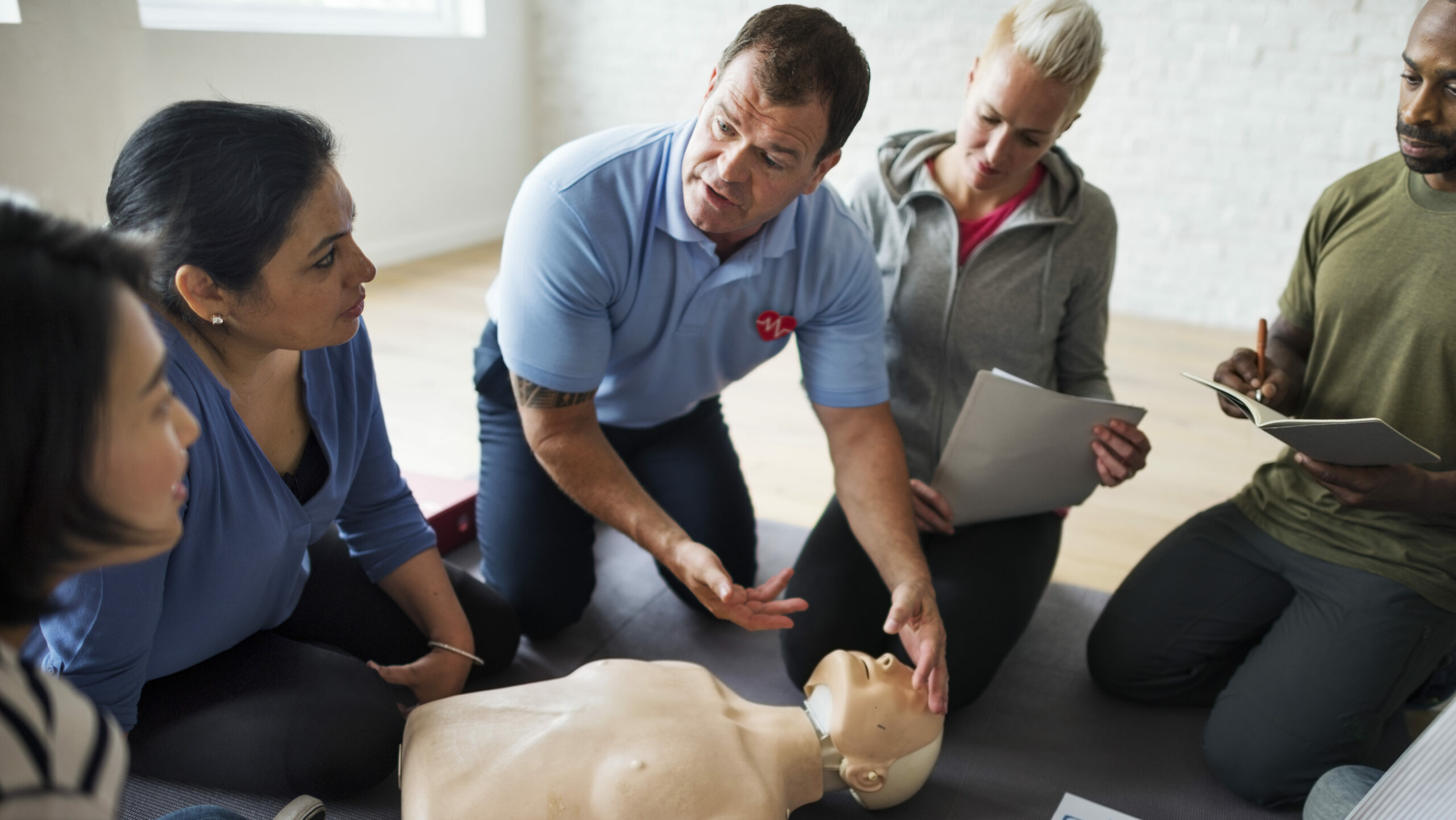
Courses differ by service provider and certification degree, however a solid first aid and CPR course Jandakot will certainly incorporate hands-on exercise with scenario-based knowing. Anticipate modules on adult CPR, youngster and infant CPR where appropriate, use of an automatic external defibrillator or AED, management of choking, treatment for blood loss, burns and fractures, acknowledgment of stroke and cardiovascular disease, shock administration, and basic wound care. Practical sessions will require repetitive, monitored technique of compressions and air flows on manikins until method is correct.
Providers usually line up training to across the country recognised systems, so employers can trust the certificate. For office compliance, seek courses that map to the country wide identified system HLTAID011 Offer first aid or its present equivalent, and HLTAID009 Supply cardiopulmonary resuscitation. If you need a greater level of clinical first aid, some carriers supply HLTAID012 Provide First Aid in an Education and Treatment Setup or customized courses for high-risk industries.
How long the courses take and just how they are delivered
A typical mixed first aid and CPR course will usually run for one full day, around 6 to eight hours, including breaks. Shorter refresher sessions exist for people that currently hold a present certificate; those usually run two to three hours to renew CPR capability and change essential first aid skills. Online theory adhered to by an analyzed face-to-face functional session is a common format. That mixed technique lets you full first aid certificate course knowledge checks at your own speed while making sure hands-on skills are assessed in person.
What you will really be able to do after the course

Completing a first aid and CPR course in Jandakot must leave you with confident, useful abilities: you will certainly be able to carry out reliable breast compressions and rescue breaths, operate an AED, control extreme blood loss using direct pressure and dressings, immobilise believed cracks, identify and act on stroke or heart attack indications, and treat burns and minor injuries. Notably, you should likewise acquire analysis abilities: exactly how to prioritise risks, call for help efficiently, and provide a succinct handover to emergency services. Those soft skills usually make the most difference when several injuries are present or when the scene is dynamic.
Choosing the ideal service provider: what to ask and watch for
Not every first aid course is equivalent. Ask possible service providers the following when you contact them:
- whether their certifications map to across the country recognised devices and which ones the ratio of students to trainer throughout practical sessions whether functional analysis is in person or on-line only whether AEDs and police or rescue scenarios are consisted of in practice whether they offer workplace or team training at your site
A training session with a high student to teacher ratio will certainly limit hands-on method. For CPR abilities, aim for a practical proportion no bigger than 8 pupils per trainer. Examine that manikins and AED instructors remain in good condition. A good trainer will stress strategy over rote steps, correct posture to stay clear of rescuers' tiredness, and just how to adjust compressions for children or individuals with bigger bodies.
What to bring and functionalities on the day
Arrive ready and comfortable. Bring proof of identity if you need a formal certificate, put on loose clothes ideal for practical job, and bring a light lunch. If the company enables online pre-course analysis, full that before attending.
Checklist for attending a first aid and CPR course Jandakot
- proof of identity for certification purposes comfortable clothes appropriate for kneeling and moving any office forms your company requires for training records completed pre-course theory if used online payment confirmation or employer authorisation if required
Real-world instances that reveal the worth of training
A good friend who functions airside as soon as described tipping off the tarmac to a colleague who had broken down. Educated personnel quickly examined responsiveness, called for emergency services, put the person supine, and started CPR while one more fetched an AED from a close-by vehicle. Because those -responders had practiced compressions under timed situations throughout their first aid training, they turned rescuers every two minutes to stay clear of exhaustion. Emergency services reported the quick handover and use an AED when they got here. That person survived and went back to function months later.
A local childcare educator I educated with shared a different story. During an early morning session a kid tripped and suffered a deep laceration. The instructor utilized a simple pressure dressing shown throughout the course, kept the child tranquility, and interacted the case clearly to the parent and emergency situation staff. The injury was stitched yet the swift, calm action avoided higher blood loss and lowered distress. Stories like these emphasize that the most essential ability is the capacity to remain methodical under stress, something well-designed first aid and CPR courses develop through drills and circumstance practice.
CPR method and usual mistakes to avoid
Good CPR is about depth, rate, and very little interruptions. Go for chest compressions at a rate of concerning 100 to 120 compressions per min, pressing to a depth of around 5 to 6 centimetres in adults. Let the upper body recoil completely between compressions so the heart refills. Avoid the typical errors of superficial compressions, stopping too long to inspect pulse, or pushing just with the wrists. If you are the rescuer without breath training or throughout an infectious condition concern, continuous chest compressions alone are much better than doing nothing.
Step-by-step emergency CPR sequence
Check responsiveness and call for help, turning on emergency services Open the airway and assess breathing for approximately ten seconds If not taking a breath normally, commence breast compressions immediately After 30 compressions, offer 2 effective rescue breaths if trained Continue cycles and utilize an AED as quickly as it is availableRecognising limitations and when to call an ambulance
A common inquiry from students is when to intensify. If there is any type of question concerning the severity of an injury, phone call emergency services. Significant blood loss that saturates through a dressing, respiratory tract compromise, transformed consciousness, thought spine injury with neurological indicators, signs of stroke, breast discomfort with sweating and nausea or vomiting, and breathing troubles are all reasons to call 000 quickly. Also if you are handling the prompt trouble, progressed medical care is normally required. First aid is a bridge to specialist treatment, not a replacement.
Refresher training and maintaining competence
Skills degeneration is actual. Research studies and practical experience reveal that breast compression top quality decreases within months without technique. For workplace compliance, certificates generally last three years for first aid and one year for CPR, yet that does not mean abilities remain sharp for that entire period. Take into consideration a CPR refresher course Jandakot every six to twelve months if you are most likely to be the marked rescuer. Short, focused practice with responses on compressions and ventilations assist preserve muscular tissue memory.
Custom and advanced alternatives in Jandakot
Many training organisations supply bespoke courses for industries such as air travel, friendliness, or child care. If your workplace has specific risks, tailored material can include chemical direct exposure response, utilizing oxygen therapy devices, or in-depth emptying practice sessions. Some companies likewise supply an innovative first aid course that consists of intravenous accessibility understanding, advanced bleeding control with tourniquets, and prolonged casualty assessment. If your workplace requires specific documentation, ask for a customized course that creates details reporting design templates or case documents forms.
Cost and qualification considerations
Prices vary relying on whether you attend a public open course or prepare on-site training for a team. Anticipate to pay from modest to greater ranges depending on services, an acknowledged nationwide device of proficiency, and whether materials are included. Group bookings frequently lower per-person expense. Always check that the certificate is issued by a Registered Training Organisation if you need nationally acknowledged accreditation. For laid-back learners who require a non-accredited choice, area first aid sessions might be more affordable however will not count for workplace compliance.
How to prepare psychologically and psychologically for real incidents
Training covers physical actions, yet the emotional component is often forgotten. A reliable course will consist of stress vaccination through reasonable scenarios that present noise, time stress, and multiple casualties. Practising a short script for calling emergency solutions and concise declarations for onlookers decreases screwing up during a real occasion. Psychologically rehearsing the top priorities of security, breathing, bleeding, and calling for help embeds a dependable decision tree. After a significant occurrence, debrief with colleagues and think about official counselling if the occasion impacts your psychological health.
Local logistics and exactly how to discover a course
Search for first aid training Jandakot or cpr course Jandakot to discover neighborhood providers. Contrast course outlines, review evaluations, and verify acknowledgment of the qualification. Lots of companies message upcoming public course dates online https://zaneuozb684.huicopper.com/cpr-courses-jandakot-infant-and-youngster-cpr-training-summary and permit group reservations on company websites for ease. If you need training outside organization hours due to change work, inquire about evening or weekend break options. Federal government and workplace safety and security bodies likewise detail accepted training companies in the Perth cosmopolitan area.
Final decision points: what matters most
When choosing a first aid and CPR course in Jandakot, three elements issue above all. First, hands-on experiment little teacher teams to build qualified strategy. Second, nationally acknowledged accreditation if you require workplace compliance. Third, scenario-based teaching that mirrors local risks so you get useful judgement, not just rote steps. Timing and cost are necessary, but not at the expenditure of practice time and teacher quality.
If you leave the course able to apply stress confidently, start breast compressions readily, operate an AED, and communicate plainly with emergency services and bystanders, you have obtained useful ability. In the worst-case scenarios, those abilities shorten the space in between an incident and life-saving expert care.
Where to go next
After qualification, take into consideration these steps: schedule short session every three to six months, maintain your office first aid kit stocked and noticeable, recognize the nearby AED locations in your area or office, and urge associates to train also. Collective readiness creates resilience. In an area like Jandakot, a couple of experienced individuals make a genuine distinction when minutes matter.